Oakley Farm History
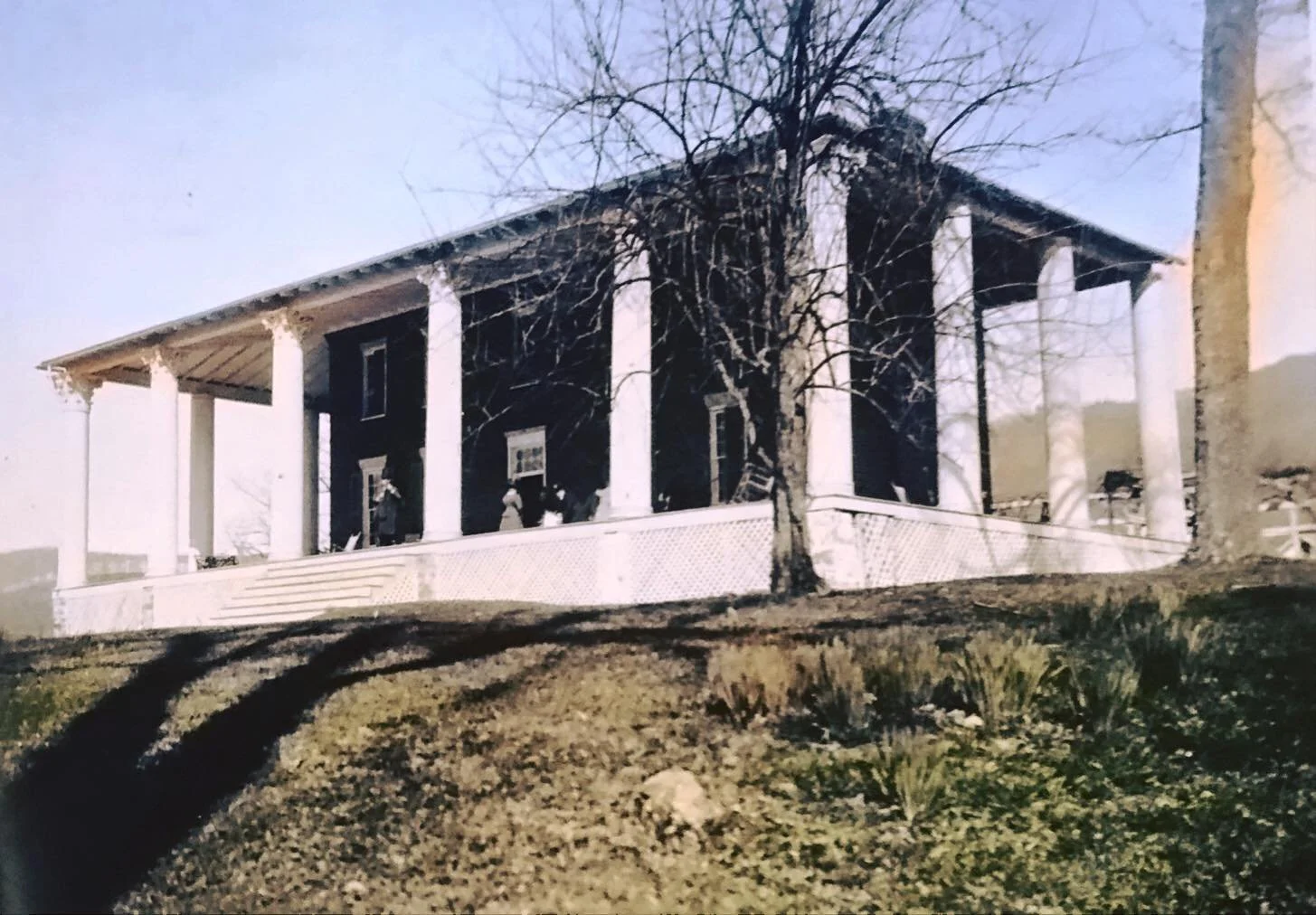
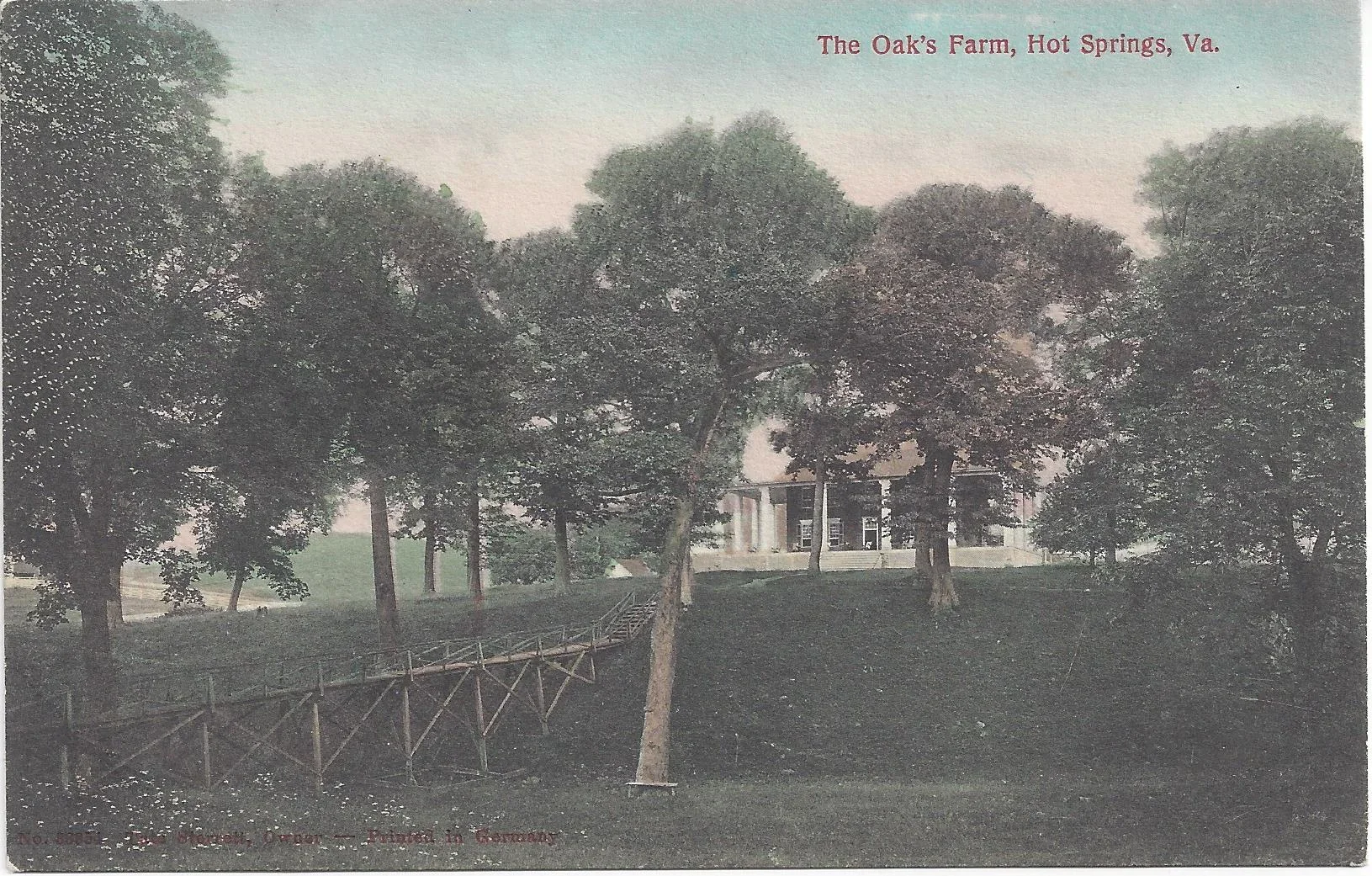
Oakley Farm was established in 1834 by Charles Lewis Francisco, Bath County's second Clerk of Court and a member of one of the valley's founding families. The brick house he built — Federal-Greek Revival in style, prominently sited on ‘the Valley Road’ between two of Virginia's most celebrated springs resorts — was among the most substantial private residences in the western county at the time. The orchards and "mansion house" that defined the property through the Francisco years passed through three generations of the family before being sold in 1905.
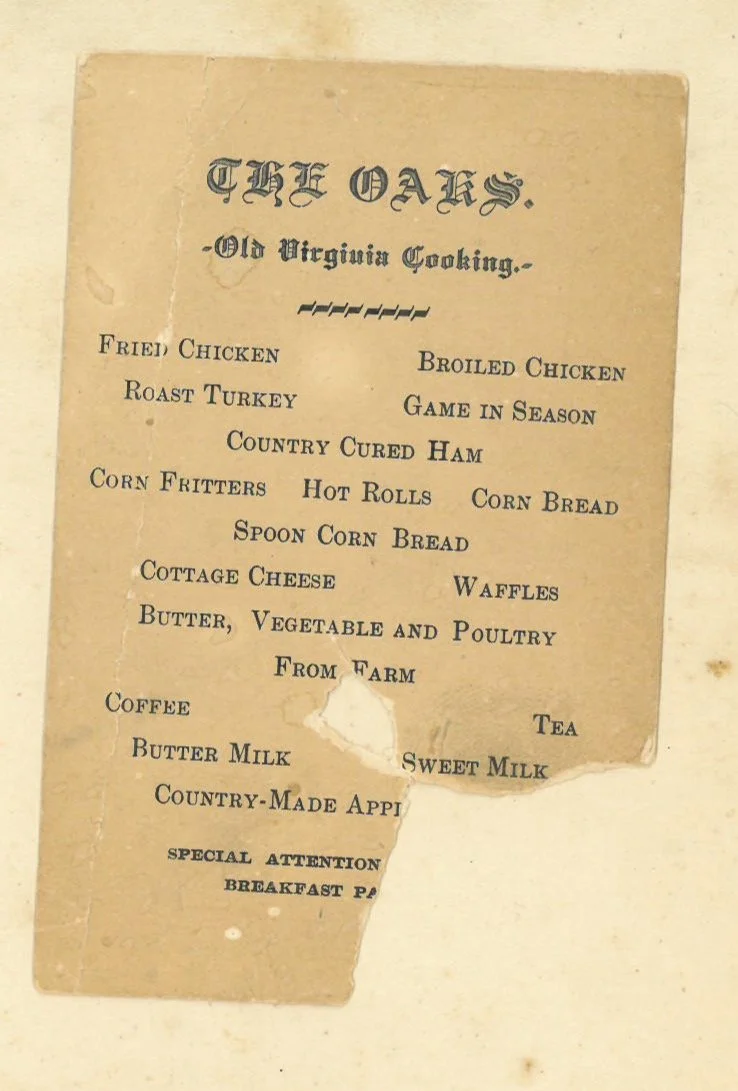
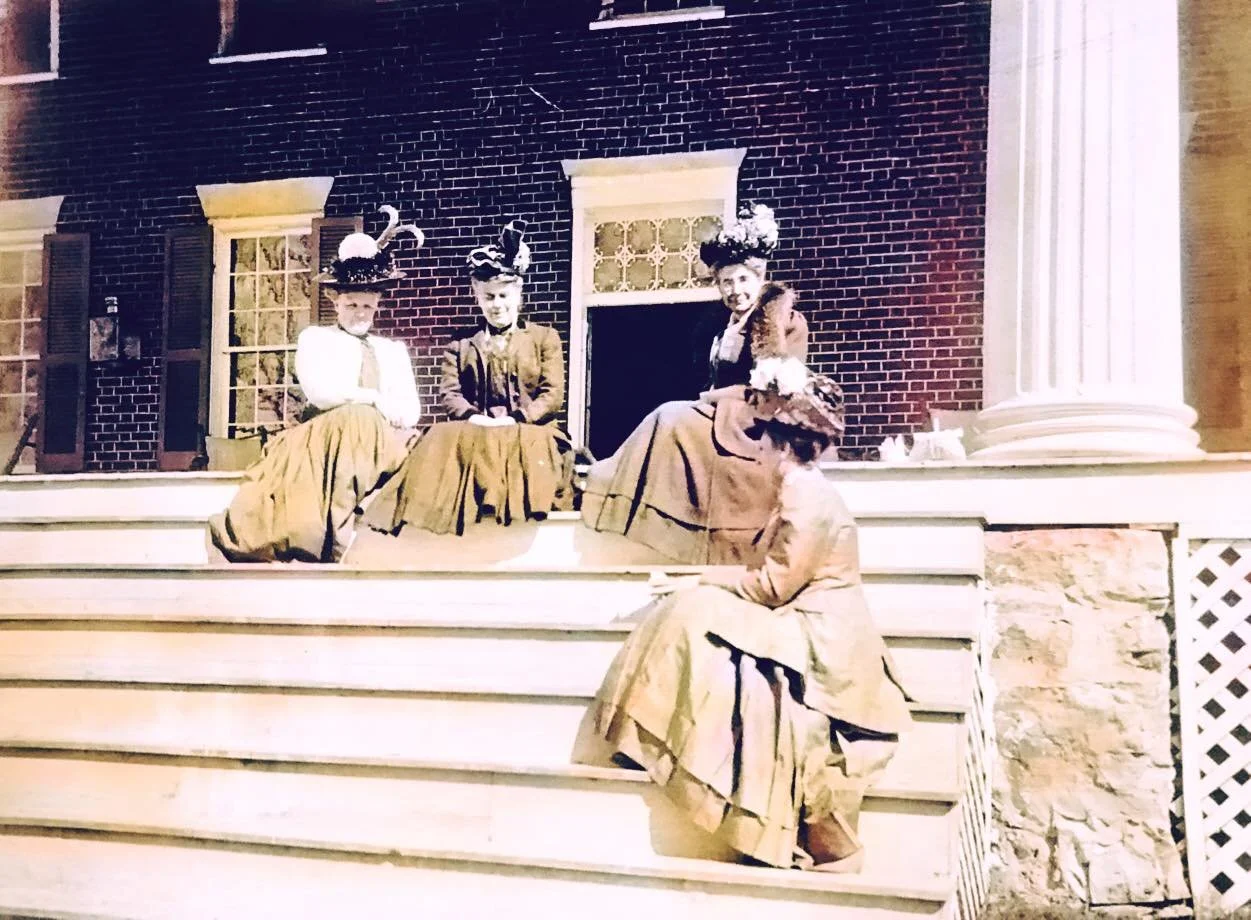
That year, Tate Sterrett purchased Oakley and brought with him the energy of a man at the center of Bath County life. A horseman and entrepreneur, Sterrett managed the livery at The Homestead and was known across the region for his hospitality. He renamed the property The Oaks and opened it as a dining destination for resort guests — carriages making the journey from The Homestead to take lunch or dinner on the farm's broad wrap-around porches. The composer John Philip Sousa was among its noted visitors. After Sterrett's death in 1913, his son Tate Boys Sterrett and daughter-in-law Hazel undertook a thorough Colonial Revival remodeling of the house, designed by the Staunton firm T. J. Collins and Sons, and restored the name Oakley — transforming the property into a distinguished horse farm with stables that still stand today.
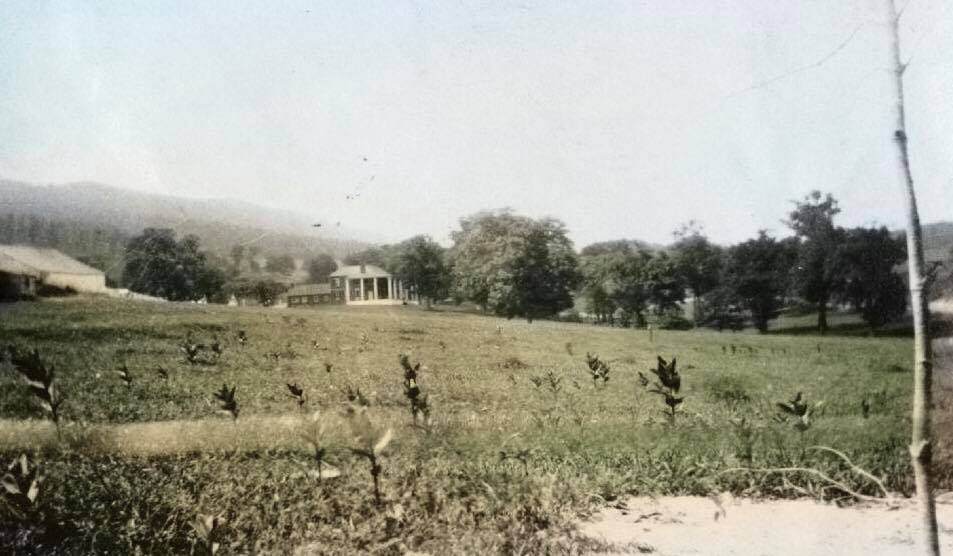
In 1969, the property was purchased by Franz "Dutch" von Schilling III and his wife Jean, who dedicated their ownership to preserving Oakley's historic character. Their careful stewardship culminated in 2008 when Oakley Farm was listed on the National Register of Historic Places, recognized for its architecture, its association with Bath County's resort economy, and its remarkably intact early-twentieth-century horse farm.
In 2018, the farm was sold to their grandson Will Hodges and his wife Cornelia, who continue its preservation through agriculture. Orchards have existed at Oakley throughout its nearly 200-year history, and as the last of those original trees fade, four acres of new plantings are taking their place. Together, they carry forward a story that began nearly two centuries ago, still rooted in the same springs, the same soil, and the same spirit of gathering.